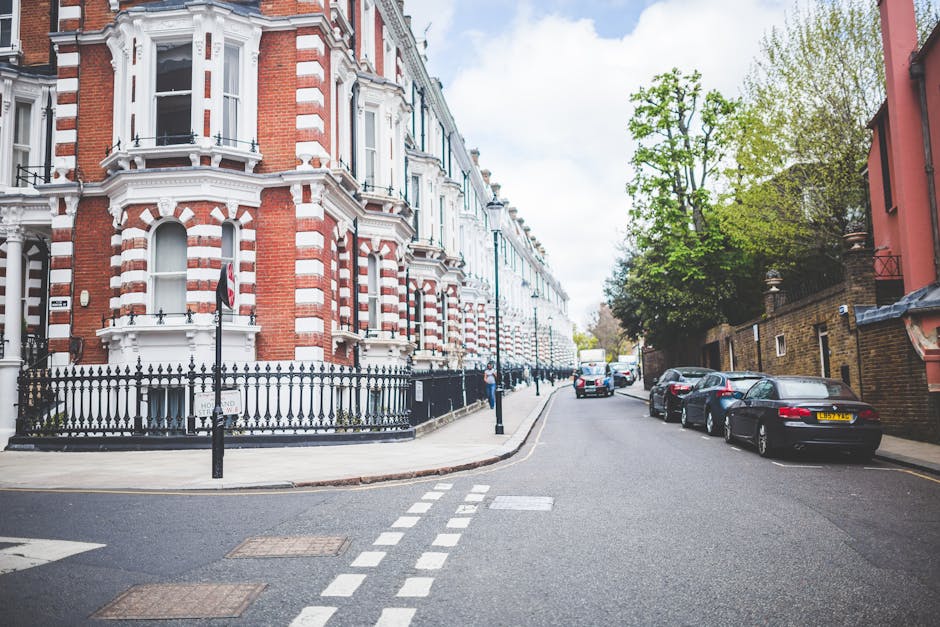
Hammersmith and Fulham Council permit rules for removals
If you are planning a move in West London, the last thing you want is a van stuck halfway through a narrow street while everyone waits for a permit issue to sort itself out. Hammersmith and Fulham Council permit rules for removals can feel like a small detail at first, but in practice they often decide whether moving day runs smoothly or turns into a frustrating shuffle of phone calls, parking worries, and wasted time.
This guide breaks the topic down in plain English. You will learn what the permit rules usually mean in a removals context, why they matter, how the process tends to work, and what to check before the truck arrives. We will also look at common mistakes, practical planning tips, and the kind of real-world issues that catch people out in local streets, from tight access to shared bays and busy loading windows. Let's face it, moving is enough of a headache already.
Table of Contents
- Why Hammersmith and Fulham Council permit rules for removals Matters
- How Hammersmith and Fulham Council permit rules for removals Works
- Key Benefits and Practical Advantages
- Who This Is For and When It Makes Sense
- Step-by-Step Guidance
- Expert Tips for Better Results
- Common Mistakes to Avoid
- Tools, Resources and Recommendations
- Law, Compliance, Standards, or Best Practice
- Options, Methods, or Comparison Table
- Case Study or Real-World Example
- Practical Checklist
- Conclusion
- Frequently Asked Questions
Why Hammersmith and Fulham Council permit rules for removals Matters
Permit rules matter because moving is not just about getting boxes from one building to another. In Hammersmith and Fulham, the road outside your property can be part of the job. If a van needs to stop in a controlled bay, loading bay, residents' bay, or any other restricted area, there may be rules about how long it can stay, whether a permit is needed, and what type of vehicle can use the space.
That sounds obvious, but plenty of moves go sideways because someone assumed "it'll be fine for an hour." Then the driver finds there is no legal place to stop, or the bay is shared, or the timing clashes with local restrictions. A delay of 20 minutes can ripple through the whole day. Boxes pile up in the hallway, the lift booking slips, neighbours get irritated, and the team has to carry furniture further than planned. Not ideal.
For domestic removals, the permit issue is often about convenience and compliance. For larger house moves or office relocations, it can become a serious operational detail. You may need extra loading time, a bigger vehicle, or a different parking arrangement entirely. If you are moving in or out of a flat near Hammersmith Broadway, by a busy high street, or along a street with limited kerb space, planning is not optional. It is part of the move.
Practical takeaway: the earlier you treat parking and permit planning as part of your removals checklist, the fewer surprises you will face on moving day.
How Hammersmith and Fulham Council permit rules for removals Works
The exact permit process can vary depending on the street, the type of bay, the vehicle, and the timing of your move. In practice, most removals in the borough fall into a few common scenarios:
- Suspended or controlled parking bays: you may need permission to use a space reserved or restricted for a specific period.
- Loading only areas: these are designed for short-term loading, but the time allowed may still be limited.
- Resident permit zones: you cannot simply assume a removals van can park there without checking the local rules.
- Single yellow or double yellow lines: in some places, stopping may be restricted or only briefly tolerated for loading, depending on local rules and enforcement.
The general idea is simple: if your removals vehicle needs to occupy street space in a way that could affect traffic flow, pedestrian access, or normal parking use, you need to understand whether a permit or dispensation is needed. The council's rules may also depend on the size of the vehicle. A small man and van job is often easier to manage than a full-size lorry, though even a smaller vehicle can trigger issues on narrow streets or tight corners.
Here is the bit many people miss. The permit is not just about "being allowed to stop." It is also about timing, communication, and proof. You may need to provide details such as the address, moving date, vehicle registration, approximate loading time, and the location of the stop. If the move involves a professional team, the removals company may handle some of this, but you should still know what has been arranged. Otherwise, there is that awkward moment when everyone assumes someone else sorted it. Classic moving-day chaos.
If you are comparing service options, it can help to look at how different providers handle local access. A short list of useful pages on the site includes removal services, home moves, and office removals, especially if your move is more complex than a simple flat-to-flat transfer.
Key Benefits and Practical Advantages
Handled properly, permit planning does more than avoid fines. It makes the entire move calmer and more efficient. That matters more than people expect. On a busy street, every minute counts.
- Less risk of enforcement issues: you reduce the chance of tickets, warnings, or the van having to move unexpectedly.
- Shorter loading times: when the vehicle can stop close to the property, the team can work faster and with less carrying.
- Better protection for furniture: fewer long carries usually means less bumping, dragging, or rushing.
- More predictable scheduling: once parking is sorted, the rest of the move is easier to time.
- Lower stress for everyone: simple, but very real. A settled driver is a more efficient driver.
There is also a planning benefit for households and businesses. If you know the parking situation in advance, you can decide whether a standard van is enough or whether you need a larger vehicle, extra crew, or a split load. For example, a flat move on a narrow street may be perfectly manageable with a smaller vehicle, while a larger family home or office relocation may need a more structured approach. If you are unsure about the vehicle side of things, the pages for moving van and moving truck can help you think through the practical differences.
Truth be told, many people only notice the value of a permit plan after the move is finished. Everything just feels smoother. The boxes come out in order, the crew keeps moving, and no one has to stand in the drizzle staring at a traffic warden from across the street.
Who This Is For and When It Makes Sense
This topic matters for more people than you might think. If your move involves street parking in Hammersmith or Fulham, it is worth checking the rules no matter how small the job seems.
Households moving home
Families, couples, renters, and first-time buyers all run into permit issues when moving from flats, terraces, or converted buildings. Shared entrances, narrow roads, and limited parking are common around London, and they do not care how organised you thought you were.
Landlords and tenants
If you are moving out of a rental property, you may only have a few hours to hand over keys and clear the place. A permit problem can eat into that window fast. That is especially relevant if you are using a house removals service or planning a simple move with a man with a van.
Businesses relocating office space
Office moves often involve furniture, IT equipment, archives, and multiple staff members coming and going. The parking question becomes a logistics question. Can the vehicle stop at the entrance? Can it load without blocking access? Is there space for a second van if the move runs long? These are the questions that save time later.
Anyone moving in a restricted street
If your address sits near a busy road, school, high street, loading zone, or tightly managed residential block, you should assume the permit question matters until proven otherwise. That is the safer mindset, and in our experience it saves a lot of last-minute scrambling.
Step-by-Step Guidance
Here is a practical way to approach Hammersmith and Fulham Council permit rules for removals without getting lost in admin.
- Check the street conditions first. Look at the type of road outside the property. Is it narrow, controlled, or usually full by morning? A quick site check, or even a careful walk at the same time of day, can tell you a lot.
- Identify the vehicle you will use. A small van, medium removals vehicle, or larger truck may face different parking realities. Bigger is not always better. Sometimes a more compact vehicle makes the day easier.
- Confirm whether a permit or bay suspension is needed. If the vehicle will use a restricted space, assume some form of approval may be required until you know otherwise.
- Book the move date early. Do not leave the parking question until the night before. The closer you get to moving day, the fewer options you have.
- Share full details with the removals team. Give the correct address, postcodes, access notes, floor level, lift availability, and any parking restrictions. Tiny detail, huge difference.
- Plan loading and unloading windows. Think about arrival time, traffic, and whether your building has time limits for lift use or access.
- Prepare backup options. If the first parking choice is blocked, know where the vehicle can legally wait or load nearby.
- Keep documentation handy. If a permit or written approval has been arranged, have it easy to access on the day.
One simple habit makes a big difference: put all the move details in one message or document. Address, date, time, vehicle type, lift booking, parking notes, contact number. It sounds basic, and maybe a bit boring, but boring is good on moving day.
Expert Tips for Better Results
A few local know-how points can save you real hassle.
1. Treat access as part of the quote, not an afterthought. If the street is tight or the bay is awkward, tell the removals company early. Teams can plan manpower and vehicle size better when they know the access picture.
2. Avoid assuming "loading" means "anything goes." Many people think loading space is automatically available. Not always. Some loading areas are time-limited, and some require specific conditions. Check first, then act.
3. Build in a buffer. If the move starts at 9:00, do not schedule every other task down to the minute. Traffic, lift delays, and parking checks happen. They just do.
4. Think about the weather. A wet London morning changes everything. Carpet protectors, extra runs, and slippery pavements can slow loading, especially where the van cannot park close to the entrance.
5. Use the right service level. A quick furniture pickup is not the same as a full property move. If you are only shifting a sofa, the flexible option may be a better fit. If you need broader support, compare pages like furniture pick-up and packing and unpacking services to see what level of help suits the job.
Here is a small but useful observation: the best moves usually look almost dull from the outside. No panic, no last-second double parking, no one racing up and down the stairs with a wardrobe mirror in one hand. That dullness is a sign the planning worked.
Common Mistakes to Avoid
These are the mistakes that come up again and again. Some are easy to fix. Others are the sort that cause a whole afternoon of avoidable stress.
- Leaving parking checks until the final week. By then, any workaround is harder to arrange.
- Assuming the driver will "sort it on the day." Sometimes they can, sometimes they cannot. Do not leave it to chance.
- Choosing a vehicle that is too large for the street. A bigger truck can create more problems than it solves if access is tight.
- Forgetting to mention stairs, lifts, or long carries. These details affect timing and staffing.
- Ignoring nearby restrictions. Bus routes, corner turns, school times, and resident bays all matter.
- Not checking the return journey. If the van needs to return for a second load, the parking situation may be different later in the day.
A surprisingly common issue is the "we'll just unload quickly" approach. That can work in some places, but in a borough with busy streets and enforcement, quick is not the same as compliant. Better to plan a realistic stop than to gamble on a brief one. You know how that usually ends.
Tools, Resources and Recommendations
You do not need fancy kit to manage permit-related removals planning, but a few tools and habits help a lot.
- Street photos: take clear pictures of the parking space, kerb, entrance, and any signs. These are useful when discussing the move with your removals team.
- Floor plan or room list: useful for planning loading order and estimating how long access will take.
- Calendar reminders: set reminders for the move date, permit arrangements, lift bookings, and key handover.
- Contact list: keep the solicitor, landlord, property manager, and removals team in one place.
- Service comparison notes: if you are weighing options, pages such as removal company, removal companies, and house movers can help you compare the kind of support available.
For more background on how a removals provider works, you may also find the site's about us page useful. It is a simple way to understand the team behind the service, which matters more than people admit when handing over a stressful job.
If you are trying to keep costs under control, it also helps to look at pricing transparency. The page on pricing and quotes is a sensible starting point, because permit delays and access issues often affect the final workload, even when the base move looks straightforward.
Law, Compliance, Standards, or Best Practice
With removals, the compliance side is usually about parking rules, road use, local restrictions, and safe working practice. The details can change depending on the street and the property, so it is best to treat this as a practical compliance issue rather than a one-size-fits-all rulebook.
Best practice usually includes:
- checking local parking restrictions before booking the vehicle;
- making sure the vehicle does not block access, crossings, or emergency routes;
- allowing the crew enough time to load safely, rather than rushing;
- keeping routes clear for residents, pedestrians, and neighbours;
- using properly insured and clearly organised removals support.
That last point matters. A professional moving job is not just about muscle. It is also about paperwork, safety, and responsibility. If you want reassurance on that side, the site's insurance and safety page is worth a look, along with the health and safety policy. These pages help set expectations around safe handling, careful working, and sensible planning.
There is also a wider standards point. Even when a move feels informal, good practice still means protecting the property, avoiding unnecessary disturbance, and respecting the local area. That may sound a bit dry, but in busy London streets it makes a real difference. Neighbours notice when a crew is organised. So does the traffic.
Options, Methods, or Comparison Table
If you are deciding how to handle a move in Hammersmith and Fulham, the right approach usually depends on the size of the job, the parking conditions, and how much help you want. Here is a simple comparison.
| Option | Best for | Parking/permit pressure | Typical advantage | Possible drawback |
|---|---|---|---|---|
| Small man and van | Single rooms, light flats, smaller loads | Lower, if access is tight | More flexible on narrow streets | May need more trips for larger moves |
| Standard removals van | Typical home moves | Moderate | Good balance of capacity and manoeuvrability | Still needs careful parking planning |
| Large moving truck | Large homes, offices, bulky furniture | Higher | More efficient for big loads | Can be difficult in restricted streets |
| Professional full-service move | Complex moves needing packing, loading, and transport | Managed more carefully | Less stress, more support | Usually the most involved option to arrange |
The table is not about saying one option is always best. It is about matching the vehicle and service to the street. A smaller van can be the smarter choice if the road is tight and the loading space is awkward. On the other hand, a larger load may justify more structured planning and a bigger team. No drama, just the right fit.
Case Study or Real-World Example
Consider a typical flat move near a busy part of Hammersmith. The property is on a street with limited daytime parking, and the front entrance is set back slightly from the kerb. The moving team can physically do the job, but only if the van can stop close enough to avoid long carries through the building entrance and across the pavement.
In this kind of situation, the biggest risk is not the furniture itself. It is the timing. If the van arrives during a busy patch and there is no clear loading plan, the crew may have to wait, circle the block, or settle for a less convenient stopping point. That means more lifting, slower loading, and a longer overall move.
Now imagine the same job with basic permit planning done early. The street access is checked, the vehicle size is chosen with the road in mind, and everyone knows the loading window. The crew arrives, parks in the most workable place, gets the boxes out, and finishes without the day turning into a small crisis. Nothing magical. Just good preparation.
That sort of outcome is exactly why permit rules matter. The rules themselves may feel administrative, but the benefit is very practical. They help the move happen the way it should: orderly, safe, and without unnecessary friction. And yes, it feels much better when the day does not begin with someone muttering, "I thought this would be fine."
Practical Checklist
Use this checklist before moving day. It keeps things simple.
- Confirm the exact moving date and arrival window.
- Check the street outside the property at the same time of day if possible.
- Decide which vehicle size makes sense for access.
- Ask whether a permit, dispensation, or bay arrangement is needed.
- Share parking notes, floor access, and lift details with the removals team.
- Prepare a backup loading position if the first choice is unavailable.
- Keep contact numbers easy to reach on the day.
- Protect floors, door frames, and corners in advance.
- Set aside essentials you do not want packed away too early.
- Double-check building rules if you are moving from a managed block.
If you want to keep everything tied together, it can help to read the practical pages on removals and removals near me as a final sanity check before booking. Sometimes the broad overview is exactly what helps the details click into place.
Conclusion
Hammersmith and Fulham Council permit rules for removals are really about one thing: making sure the move can happen safely, legally, and without last-minute chaos. If you plan the parking early, choose the right vehicle, and treat access as part of the job rather than a footnote, your moving day is far more likely to go well.
The best moves are usually the ones that feel calm, even if a lot has been organised behind the scenes. A little preparation here saves a lot of stress there. And honestly, that is worth a great deal when you are standing in a hallway full of boxes with a kettle somewhere you cannot find it.
Get a free quote today and see how much you can save.
One last thought: if you are unsure about the parking side of your move, do not wing it. Ask the question early, get the facts straight, and give yourself a better day. It makes all the difference, really.
Frequently Asked Questions
Do I need a permit for removals in Hammersmith and Fulham?
You may need some form of parking permission, dispensation, or bay arrangement if the removals vehicle will stop in a restricted or controlled space. The exact need depends on the street, the bay type, and the timing of the move.
Can a removals van park on a resident bay while I move?
Not automatically. Resident bays are controlled spaces, so you should check whether a removals vehicle is permitted to use the bay and for how long. Never assume a short stop is fine just because it is only for loading.
Who usually arranges the permit or parking permission?
Sometimes the customer arranges it, and sometimes the removals company helps with the process. The important thing is that someone takes clear responsibility so nothing is left vague at the end.
How far in advance should I check the rules?
As early as possible. Ideally, check when you start planning the move, not the week before. The earlier you understand the parking situation, the easier it is to choose the right vehicle and time slot.
Does vehicle size affect the permit rules?
Yes, it can. A smaller van is usually easier to manage on a tight London street, while a larger truck may need more careful parking arrangements. The access situation often matters just as much as the number of boxes.
What happens if the van cannot park where planned?
The team may need to use a backup spot, wait for space to open, or adjust the loading method. That can add time and effort, which is why planning ahead is so useful.
Are office removals treated differently from home moves?
Often, yes in practice. Office moves may involve more equipment, stricter timing, and a greater need for controlled loading access. They also tend to be less forgiving if parking goes wrong.
What if I live on a narrow street or near a busy road?
That is exactly when you should pay close attention to permit rules and vehicle choice. Narrow roads and busy streets can create access problems very quickly, especially during peak hours.
Do I still need to think about permits for a small move?
Yes. Even a small move can run into parking restrictions if the vehicle needs to stop in a controlled area. A modest job does not automatically mean simple access.
Can bad parking planning delay the whole move?
Absolutely. If the vehicle cannot stop legally or safely near the property, loading slows down and the whole schedule can slip. It is one of those small issues that becomes a big one fast.
What should I tell the removals team about parking?
Give them the exact address, any access restrictions, the type of street, whether there are bays nearby, and any building rules that matter. The more practical detail you give, the better they can plan.
Is it worth choosing a smaller van just for easier parking?
Often, yes. In areas with tight access, a smaller van can reduce parking pressure and make loading simpler. It is not always the cheapest-looking option on paper, but sometimes it is the smarter one overall.
Looking for more background before booking? Review the site's service pages and plan your move with the parking question already answered, not left hanging until the last minute.