How to avoid booking scams for Hammersmith moving services
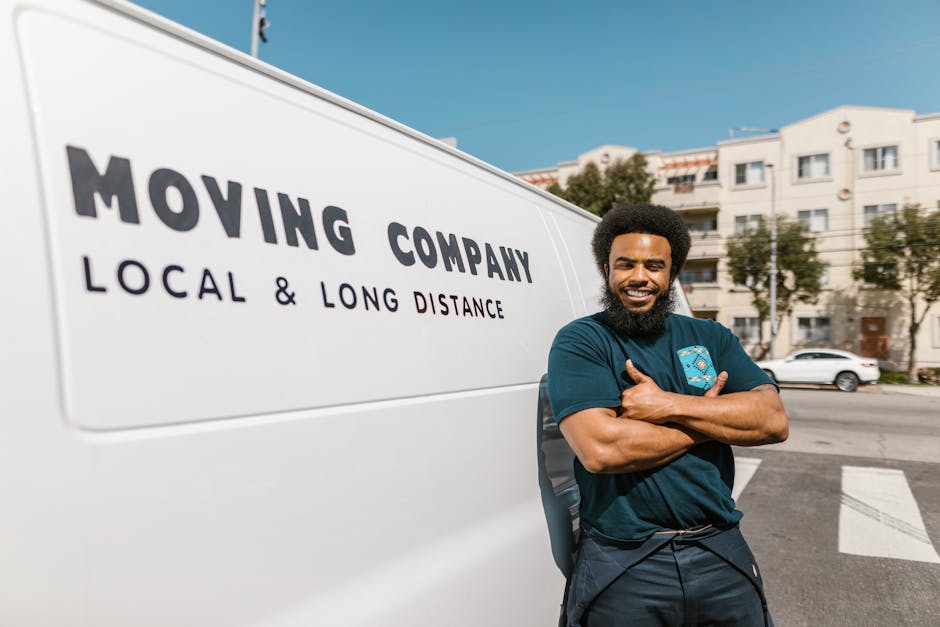
Booking a mover should feel like the first step toward a lighter week, not the start of a headache. Yet that's exactly where booking scams creep in: vague quotes, pressure tactics, fake deposits, and no one turning up on moving day. If you're looking into how to avoid booking scams for Hammersmith moving services, you're already doing the smartest thing possible - slowing down before you pay.
This guide walks you through the warning signs, the checks worth doing, and the booking habits that help you avoid the usual traps. It is written for anyone arranging a flat move, house move, student move, office relocation, or a simple man and van job in Hammersmith. You'll find practical steps, a comparison table, a real-world example, and a checklist you can use before handing over any money. No fluff. Just the stuff that actually protects you.
Why avoiding booking scams matters
Moving scams are rarely dramatic at the start. They usually begin with a message that sounds helpful, a quote that seems a bit lower than everyone else's, and a promise that the van is available "right now". That's how people get pulled in. By the time they notice the red flags, they may have paid a deposit, shared access details, or arranged time off work.
In Hammersmith, where moving often involves tight streets, controlled parking, and time-sensitive handovers, there is even less room for mistakes. A dodgy booking can mean delayed keys, extra storage costs, missed work, stressed neighbours, and a very long afternoon watching the clock. It's not just about money. It's about trust, timing, and having someone show up with the right vehicle and the right attitude.
If you're comparing movers, it helps to look beyond the headline price and focus on what the company actually offers around pricing and quotes, payment and security, and insurance and safety. Those pages matter because scam-proof booking is often about the details people skip.
Expert summary: The safest move booking is usually the one that feels clear, documented, and slightly unexciting. If a quote is vague or the seller is rushing you, pause. That pause can save you a lot.
How booking scams usually work
Most booking scams in the removals world follow a simple pattern. First, the offer appears attractive: a cheap move, immediate availability, friendly contact, and maybe even a promise that "everything is included". Then the pressure starts. You may be asked to pay quickly to secure the slot, transfer money to a personal account, or confirm details with little written proof.
Sometimes the scam is obvious. Sometimes it's awkwardly subtle, which is worse. You might be quoted a low amount over the phone, only to be told on moving day that there are extra charges for stairs, fuel, waiting time, or "unexpected volume". Then there's the classic van-no-show. One minute they're in touch; the next, silence. It happens more often than people think, and it's usually messy.
There are also "ghost listings" - people advertising moving services with no proper business identity, no clear terms, and no realistic way to verify who they are. A genuine provider should have a traceable presence, clear service descriptions, sensible booking terms, and a proper route for questions or complaints, such as a visible complaints procedure.
To be fair, not every cheap quote is a scam. Some smaller operators simply run lean businesses. The trick is knowing the difference between lean and suspicious. You want specific answers, not vague charm.
Key benefits of booking safely
Being careful at booking stage does more than protect your money. It makes the whole move feel more under control. That's a good trade.
- Fewer hidden costs: Clear quotes make it much easier to budget properly.
- Lower stress on moving day: You are less likely to get last-minute surprises or arguments.
- Better service match: You can choose between house removals, man and van work, office removals, or packing help based on what you actually need.
- Improved accountability: Written terms and identifiable contact details make it easier to resolve issues.
- More reliable timings: A professional mover plans for traffic, access issues, and realistic loading times.
There's also a quieter benefit: peace of mind. When you know the booking is legitimate, you stop second-guessing every message and can get on with packing the kettle, labelling boxes, and trying not to lose the charger for the third time.
Who this is for and when it makes sense
This advice is for anyone booking a move in or around Hammersmith, but it is especially useful if you are:
- moving from a flat with limited access or parking;
- booking a last-minute removal;
- comparing low-cost man and van offers;
- arranging a house move with furniture, boxes, and awkward items;
- relocating a small office or work studio;
- using a company for the first time and don't yet know what "normal" looks like.
It also makes sense if you're unsure whether you need a full house removals service, a smaller man with van booking, or something more structured like office removals. Scam risk often rises when people rush to book the cheapest thing that sounds close enough.
Truth be told, the more urgent the move, the easier it is to miss warning signs. If your timeline is tight, this guide matters even more, not less.
Step-by-step guidance
If you want a simple system, use this one. It's not glamorous, but it works.
-
Start with the company identity.
Check that the business name is clear, consistent, and matches the contact details you are given. If the branding changes between messages, invoices, and booking forms, slow down.
-
Ask for a written quote.
A legitimate mover should explain what is included, what is not included, and how extra charges are handled. If the answer is only verbal, that's weak. Very weak.
-
Compare more than one provider.
Use the comparison to spot extremes. A quote that is far below everything else can be a clue, not a bargain.
-
Look for service detail.
Real providers usually explain access, stairs, van size, packing support, and timing. Browse pages like removal services, removal company, and removal companies to see how a more complete service offering is described.
-
Check payment expectations before you book.
Find out when payment is due, what method is accepted, and whether a deposit is required. Security and clarity matter here, so review payment and security before transferring anything.
-
Read the small print.
Terms and conditions are boring, yes. Still, they often explain cancellation terms, liability, waiting charges, and what happens if access is blocked.
-
Confirm insurance and safety.
If you are moving furniture, appliances, or business equipment, ask how damage, lifting, and transport are handled. A proper provider should have a clear stance on insurance and safety.
-
Keep the booking trail.
Save emails, screenshots, invoice copies, and any agreed arrival times. If things go wrong, evidence is your friend. Not glamorous, but useful.
If something feels rushed, stop and ask one more question. Often that single extra question exposes the problem.
Expert tips for better results
After helping people compare moving options for years, a pattern stands out: scams thrive where communication is sloppy. So your job is to force clarity. A good mover won't mind that.
Use the phone, but don't rely on it alone. Verbal promises are easy to forget and harder to prove. If the company agrees to something important - arrival window, number of movers, lifting help, or storage handling - ask for it in writing.
Ask practical questions, not just price questions. For example: "What size van will you send?" "How do you handle narrow roads?" "What happens if the lift is out?" These questions are boring in the best way. They filter out the nonsense.
Look for fit, not just cheapness. A small flat move might suit a man and van setup, while a larger home move may need something closer to home moves or even a dedicated crew. The right service should match your actual load, not just your budget.
Use the company's own policy pages. Pages such as terms and conditions, privacy policy, and about us are useful because they reveal how seriously the business treats transparency.
Don't be embarrassed to walk away. Seriously. A moving booking is not a marriage. If the person on the other end gets irritated because you want details, that's a clue in itself.
Common mistakes to avoid
Most booking problems come from a few very human mistakes. None of them are rare.
- Choosing the lowest quote without checking what is included. Cheap can turn expensive fast once extras appear.
- Paying a large deposit too early. If the booking pressure is intense, pause and verify.
- Not checking access details. In Hammersmith, stairs, parking restrictions, and loading space can all change the real cost.
- Ignoring unclear contact information. A proper business should be reachable in a straightforward way.
- Failing to ask about cancellation terms. Life happens. You need to know what happens if your move date shifts.
- Assuming every "urgent slot" is genuine. Sometimes it is. Sometimes it's just pressure dressed up as opportunity.
One of the biggest mistakes is assuming a nice tone equals a safe business. It doesn't. A cheerful message can still hide terrible booking practices. That sounds a bit cynical, I know, but better slightly cautious than out of pocket.
Tools, resources and recommendations
You do not need a complicated toolkit to book safely. A few simple habits are enough.
- Comparison notes: Keep a basic list of what each mover includes, such as labour, van size, fuel, packing, and waiting time.
- Screenshot folder: Save all messages, especially anything about price changes or special arrangements.
- Move inventory: A quick list of large items helps avoid disputes about load size.
- Access notes: Write down floor level, lift access, parking situation, and any timing constraints.
- Policy pages: Review relevant pages on the provider's site, including pricing and quotes, health and safety policy, and recycling and sustainability if you have items to dispose of responsibly.
For people moving smaller loads, pages like removals near me, removals, and movers can help you understand the range of service types that may be available. For larger or business moves, look at commercial moves and office relocation services as part of your comparison.
Law, compliance, standards and best practice
Without getting too legal-heavy, there are a few norms worth expecting from any reputable UK removals provider. First, they should be transparent about pricing, cancellation rules, and service limits. Second, they should handle personal data carefully. Third, they should operate with sensible safety standards, especially where manual lifting and transport are involved.
Best practice usually means:
- clear written quotations;
- visible business details;
- straightforward payment methods;
- meaningful insurance information;
- honest service descriptions;
- a complaints route if something goes wrong.
If you are sharing access details, move dates, or personal information, data handling should not feel casual. That is why pages such as privacy policy and accessibility statement can also signal how organised and user-aware a company is. Not every policy page is exciting, obviously, but they do tell a story.
In practice, the best rule is simple: if the booking process feels messy, the move probably will too.
Options, methods, or comparison table
Not every move needs the same level of service. The trick is choosing the right type of help without getting talked into the wrong one.
| Booking option | Best for | Scam risk level | What to check before paying |
|---|---|---|---|
| Man and van | Smaller flats, a few items, short local jobs | Medium | Van size, labour time, parking, minimum charges |
| House removals | Full household moves with more furniture | Lower if properly documented | Inventory, team size, insurance, time window |
| Office removals | Business equipment, desks, files, fixtures | Medium | Access plan, downtime, security, sequencing |
| Packing and unpacking services | Busy households or fragile items | Medium | Materials included, breakage handling, labour scope |
| Removal truck hire | People organising part of the move themselves | Medium | Driver or self-drive terms, fuel, licence requirements |
If you're unsure which option suits you, start with the smaller question: how much are you moving, and how much help do you actually want? That usually narrows it down quickly.
Case study or real-world example
A typical scenario goes like this. A couple in Hammersmith needs to move from a third-floor flat with a tight staircase and a Saturday handover. They get three quotes. One is much cheaper than the others and promises everything can be confirmed by text in a few minutes. Handy, right? Except the quote does not mention waiting time, parking, or whether two movers are included.
They ask a few follow-up questions. Suddenly the cheap quote is no longer cheap. It now includes a deposit, extra charges for stairs, and a vague "subject to final assessment" note. The other quotes are not flashy, but they are specific. One includes an arrival window, a clear payment method, and a written breakdown of the work. That's the one they choose.
On moving day, the booked team arrives with the right van, communicates clearly, and handles the awkward sofa without turning the whole street into a scene. Nothing dramatic. No last-minute nonsense. Just a normal move, which, let's face it, is exactly what most people want.
The lesson is simple: scam prevention is often just disciplined comparison. Nothing mystical. Just clearer questions, slower decisions, and a bit of patience.
Practical checklist
Use this before you confirm any booking.
- Have I received a written quote?
- Does the quote explain what is included and excluded?
- Do I know the company's full name and contact details?
- Have I checked the payment method and deposit request?
- Do I understand cancellation or rescheduling terms?
- Has the mover asked about access, stairs, lifts, and parking?
- Do I know whether insurance is covered and what that means?
- Have I saved screenshots or email confirmations?
- Does the business show clear policy information such as terms and conditions and insurance and safety?
- Does the booking still feel sensible after I've slept on it?
If you can tick most of those off, you're in a much safer place.
Get a free quote today and see how much you can save.
Conclusion
Booking a mover in Hammersmith should not feel like a gamble. The safest approach is usually the calmest one: ask direct questions, insist on written details, check payment terms, and compare service quality rather than chasing the lowest number on the page. A few careful minutes now can spare you a very long day later.
If you remember just one thing, make it this: the best moving booking is clear, accountable, and boring in all the right ways. That's not a bad thing at all. In fact, it's exactly what you want when boxes are stacked by the door and the kettle is packed somewhere impossible.
And when the move is done, you'll be glad you trusted the process instead of the pressure.
Frequently Asked Questions
What are the biggest warning signs of a moving scam?
The main warning signs are a vague quote, pressure to pay immediately, no written terms, inconsistent contact details, and a refusal to answer practical questions about van size, access, or insurance. If a company seems eager to rush you, that's usually the point to slow down.
Should I pay a deposit to book Hammersmith moving services?
Sometimes a deposit is normal, but it should be explained clearly in writing. You should know how much it is, when it is due, and what happens if the move is delayed or cancelled. If the deposit request feels unusually large or awkward, ask for a proper breakdown first.
How do I know if a quote is too cheap to trust?
If one quote is much lower than the others and it skips detail, that is a red flag. It may not be a scam, but it deserves scrutiny. Compare what is included, not just the total price. Cheap quotes often become expensive once extras appear.
What should a legitimate removals quote include?
A good quote should explain the service scope, labour, timing, vehicle type, likely extra charges, and payment terms. It should also be clear about access issues, stairs, and whether packing materials or dismantling are included.
Is a man and van booking riskier than a full removals service?
Not automatically, but smaller informal bookings can be riskier if the company is less transparent. A proper man and van booking should still come with clear pricing, a named contact, and written confirmation.
What can I do if a mover changes the price on moving day?
Ask for the reason in writing and compare it with the original quote or message trail. If the change was not agreed in advance, you may decide not to proceed. Keeping records matters here. Without them, it becomes your word against theirs, which is never ideal.
How can I check whether a removals company is trustworthy?
Look for clear service pages, policy information, and a consistent business identity. Pages such as about us, pricing and quotes, and contact us can help you judge whether the business is organised and transparent.
Should I only book companies that are local to Hammersmith?
Local knowledge helps, especially with parking and access, but location alone does not guarantee quality. A good company should understand the area, communicate clearly, and plan for the practical realities of a London move. Local plus organised is the sweet spot.
What if I need an urgent last-minute move?
Urgent bookings are exactly when scams can sneak in, so try to keep your standards the same even if time is tight. Ask for written confirmation, check the payment method, and avoid paying anything before you understand the service fully. Speed is useful; blind speed is not.
Do I need insurance for a removals booking?
You need to know what protection the mover provides and what is excluded. If you are moving valuable, fragile, or bulky items, it is sensible to ask how claims work and what safety practices are in place. For peace of mind, review the company's insurance and safety information before booking.
What's the safest way to pay a moving company?
The safest method is usually one that leaves a clear record and matches the company's stated policy. Avoid informal cash-only arrangements if you're unsure, and never send money to an account that has not been properly explained. Check the provider's payment and security details first.
How far in advance should I book removals in Hammersmith?
It depends on the move size and the season, but earlier is generally better. If you're moving on a busy weekend or at month-end, booking sooner gives you more choice and less pressure. That alone can reduce scam risk because you are not forced into the first half-reasonable offer you see.
What should I do if something feels off during the booking process?
Pause. Ask for clarification. Compare another quote. If needed, walk away. There is no prize for forcing a bad booking through. A trustworthy mover will not collapse because you asked sensible questions.