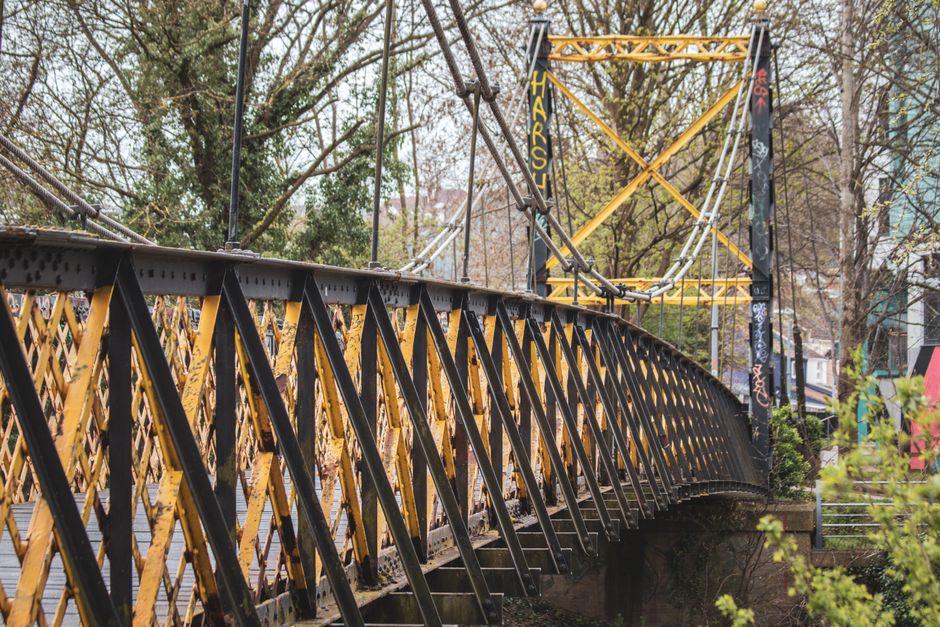
Avoid Hammersmith Bridge access problems for large removals

If you are planning a big move in West London, the phrase Avoid Hammersmith Bridge access problems for large removals can quickly become less of a keyword and more of a real-world headache. Hammersmith Bridge is one of those places that looks straightforward on a map and then, on moving day, makes you earn your tea. Narrow approaches, local traffic, weight restrictions, turning space, timing issues, it all adds up fast.
This guide breaks down how to plan around those access issues properly, so your removal runs smoothly rather than becoming a slow, awkward shuffle with a van stuck somewhere it should never have been. You will get practical steps, common mistakes to avoid, comparison advice, and a realistic checklist you can actually use. No fluff. Just the stuff that matters when you are trying to move a sofa, a wardrobe, or a full household through a busy London area.
Why Avoid Hammersmith Bridge access problems for large removals Matters
Large removals are not just about lifting and loading. They depend on access, route planning, and timing. Hammersmith Bridge is a known pinch point because it sits within a busy local network where a small delay can ripple into the rest of the move. If your vehicle is too large, your loading plan is too optimistic, or you arrive at the wrong time, the whole day can wobble.
That matters for more than convenience. A delayed arrival can mean extra labour, missed building lift slots, frustrated neighbours, and a more stressful unload at the other end. To be fair, many removals in Hammersmith go fine because the planning is done properly. The difference is usually not luck; it is preparation.
The bridge area also affects the type of vehicle and crew you should choose. A standard domestic van may be fine for a smaller flat move, but a larger household move with bulky furniture may need a different approach. In some cases, it is better to split loads, use a shuttle arrangement, or choose a more suitable service like house removals in Hammersmith rather than assuming one big van will do everything in one go.
There is another angle too: stress. When people think about moving, they usually picture boxes, tape, and the final unpacking. They do not picture a delivery bay that is just a bit too tight, or a bridge route that adds ten minutes to every trip. Yet that is exactly where moves become messy. And messy moves cost time.
Expert summary: If your removal involves Hammersmith Bridge or nearby routes, treat access planning as part of the move itself, not a side task. The earlier you assess vehicle size, route limitations, and timing, the fewer surprises you will meet on the day.
How Avoid Hammersmith Bridge access problems for large removals Works
The process is simple in principle, though a bit fiddly in practice. You map the route, check access at both addresses, decide what vehicle can actually fit, and then align the move time with traffic and property rules. The trick is to do this before the truck is full and the crew is already on site. That sounds obvious, but people still leave it late more often than you would think.
Start with the larger picture: is the bridge the best crossing for the move, or just the most obvious one? Sometimes a slightly different route is easier for a longer vehicle, especially if you are moving furniture, fragile items, or a full family home. It is not about avoiding the area entirely; it is about choosing the access route that makes sense for the load.
Then look at the destination. Flats near the river, townhouses on side streets, and office units all create different access challenges. If you need more space to load or unload, a service like flat removals in Hammersmith can be more suitable than a generic one-size-fits-all option, especially where stairs, small lifts, or tight communal entrances are involved.
Next comes the vehicle decision. A large removal van may be ideal, but only if the approach roads and parking conditions support it. If not, a smaller vehicle with multiple runs might be smoother overall. Oddly enough, the more compact option can sometimes be faster. Bit of a nuisance to hear, I know, but it is true.
Finally, build in time for the little things that always happen: waiting for a lift, parking a little further away than planned, carrying items around a narrow corner, or pausing while someone in the building clears the hallway. These small delays are normal. The mistake is not the delay itself; it is failing to budget for it.
Key Benefits and Practical Advantages
When you plan properly, the benefits are easy to feel on moving day. The van arrives where it should. The team knows what to expect. Your furniture is handled with less pressure. The move finishes with fewer awkward conversations and less clock-watching.
- Fewer delays: Better route planning means less time spent rerouting around tight access points.
- Lower handling risk: When the vehicle is positioned correctly, there is less carrying distance and fewer opportunities for damage.
- Better crew efficiency: Movers can work in a clean sequence instead of improvising around access problems.
- More accurate pricing: Clear access details help the quote reflect the real job, not an optimistic version of it.
- Less neighbour friction: A tidy plan reduces blocking, noise, and the general faff that can upset communal living arrangements.
There is also a psychological benefit. When people know the route, the timing, and the constraints, they tend to relax a little. That calm shows in the move itself. It sounds small, but a calm move is often a smoother one.
If sustainability matters to you, better planning can also reduce unnecessary extra mileage and repeated trips. That links nicely with recycling and sustainability practices, especially if you are also trying to reduce waste during the move rather than throwing everything into a skip at the last minute.
Who This Is For and When It Makes Sense
This approach is for anyone moving large or bulky loads near Hammersmith Bridge, but especially for households and businesses that cannot afford trial and error. If you are moving a three-bedroom house, a piano, office equipment, or a heavy furniture set, access planning becomes a priority rather than a nice extra.
It is also useful if you live in a flat with restricted parking, a managed building with time windows, or a street where vans often struggle to stop safely. In those situations, even a well-packed vehicle can turn into a problem if it cannot get close enough to the entrance. If that sounds familiar, it may be worth looking at a more flexible option such as man and van in Hammersmith for a lighter load, or a fuller removal setup if the move is more complex.
Students moving between shared flats, families upsizing, and office managers relocating desks and archives all face different versions of the same issue: too much stuff, not enough easy access. The needs are different, but the principle is the same. You need the right vehicle, the right route, and the right timing.
Truth be told, the bridge problem is most frustrating when it catches people who thought their move was simple. A two-bedroom flat looks manageable on paper. Then you add a corner sofa, a king-size bed, a freezer, and three flights of stairs. Suddenly it is not so simple. That is when planning starts to matter.
Step-by-Step Guidance
- Audit the move properly. List every large item, note anything awkward, and identify where access could slow things down. This includes long hallways, narrow staircases, lifts, and parking restrictions.
- Check the route from both ends. Do not assume the shortest road is the best road. Look at bridge access, vehicle size, turning room, and whether a larger van will struggle on approach.
- Measure the biggest items. Sofas, mattresses, wardrobes, and appliances need real dimensions, not guesses. If something is borderline, plan for it to be dismantled.
- Choose the right service level. A full removal service, a single-vehicle move, or a smaller loading team each has different strengths. If the move includes specialised items, consider furniture removals in Hammersmith or even piano removals in Hammersmith where needed.
- Confirm loading and unloading points. Make sure the crew knows exactly where they can stop, how far they will need to carry items, and whether any permits or building permissions are needed.
- Build in time buffers. You want margin for traffic, lift delays, and unexpected access issues. A little buffer can save the whole morning.
- Keep essential items separate. Put documents, chargers, keys, medication, and a kettle box somewhere easy to reach. Tiny detail, big sanity saver.
- Use a packing method that supports access. Heavy boxes should be manageable, not overfilled. If the route includes stairs or long carries, smart packing matters a lot.
For anyone handling a bigger household move, pairing access planning with packing and boxes in Hammersmith is a practical next step. Strong boxes and clear labelling save time when the crew has to move fast and neatly.
Expert Tips for Better Results
Here is the part people usually skip, then regret later. Small details make big moves feel manageable.
First tip: tell the removals team about awkward access before they quote, not after they arrive. If the van has to be parked farther away than normal, that affects labour time and possibly vehicle choice. No drama, just reality.
Second tip: photograph entrances, stairwells, and parking spots. A few phone pictures can communicate more than a five-minute description over the phone. Particularly if someone else is arranging the move on your behalf.
Third tip: if you are moving during busy periods, start earlier than you think. A morning slot often gives you more breathing room. By late afternoon, traffic and building access can feel tighter and more tiring.
Fourth tip: dismantle furniture before moving day if there is any chance it will be awkward. Beds, table legs, and modular wardrobes are much easier to handle when they are ready to go. The same is true for office furniture that needs careful handling, which is why office removals in Hammersmith often benefit from advance preparation.
Fifth tip: do not overfill boxes. People do this all the time because it feels efficient. Then they end up with a box so heavy it becomes a hazard on stairs. A half-heavy box is often the smarter choice, especially on a move with limited access.
One more thing: if the move includes short-notice changes, ask whether same-day support is possible. Not every move can be fixed on the fly, but sometimes a contingency option helps. A useful reference point is same-day removals in Hammersmith when timing gets unexpectedly tight.
Common Mistakes to Avoid
The biggest mistake is assuming access will sort itself out. It rarely does. A van cannot magically become smaller, and a bridge approach cannot magically become wider. That is why the planning has to come first.
- Guessing vehicle size: Too big can mean access problems; too small can mean extra trips. Either way, it costs you.
- Ignoring building rules: Lift booking times, parking restrictions, and concierge requirements can all create delays.
- Not checking furniture dimensions: A wardrobe that looks manageable in the bedroom may not fit through the hallway at all.
- Underestimating carry distance: A long walk from the van to the door adds fatigue, time, and the risk of knocks or scrapes.
- Leaving packing until the last minute: Last-minute boxes tend to be heavier, messier, and slower to move.
- Forgetting about parking: Access is not just the route; it is where the vehicle can legally and safely stop.
Another mistake is choosing a service only on price. Cheap can be fine, but cheap with poor access planning is often false economy. If you want clarity rather than surprises, start with pricing and quotes and make sure the access details are included in the discussion. That way the estimate reflects the real job, not wishful thinking.
And yes, one last mistake: not telling the team about the piano until the van is already on site. That does happen. More than it should, honestly.
Tools, Resources and Recommendations
You do not need fancy kit, but a few simple tools make the process smoother.
| Tool or resource | What it helps with | Why it matters |
|---|---|---|
| Room-by-room inventory | Tracking items and identifying bulky pieces | Prevents surprises on moving day |
| Phone photos | Showing entrances, stairs, and parking access | Helps the crew judge the move accurately |
| Measuring tape | Checking furniture width, height, and depth | Useful for tight hallways and stair turns |
| Labels and markers | Identifying fragile or priority boxes | Speeds up unloading and unpacking |
| Storage plan | Separating items that do not need to move immediately | Reduces load size and access pressure |
If the move is becoming staged or delayed, storage can be a very sensible release valve. It buys you space to deal with difficult access rather than forcing everything through on the same day. For that, storage in Hammersmith is worth considering as part of the wider move plan.
It also helps to know what kind of help you actually need. Some moves only require a straightforward vehicle and a couple of hands. Others need a bigger, coordinated team. If you are comparing approaches, the broader services overview is useful for seeing what level of support fits your situation.
And if you want a clearer picture of how costs are typically presented, it is sensible to review the company's published price information alongside the quote process. That gives you a better foundation for comparing options without overcomplicating things.
Law, Compliance, Standards, or Best Practice
For most domestic movers, there is no need to become an expert in transport law. Still, a few standards and best-practice points matter. Parking must be lawful. Load safety must be taken seriously. Workers should not be put under avoidable risk just because access is awkward. That is normal good practice, not bureaucracy for the sake of it.
In the UK, removal work is expected to follow sensible manual handling principles, safe loading methods, and responsible vehicle operation. Where access is tight, those standards matter even more because the risk of injury or damage rises with each extra carry, lift, and turn. If a route or stopping point looks unsafe, the better decision is to pause and rethink it rather than forcing the issue.
If your move involves building management, listed properties, or shared access areas, you may also need to respect house rules and timing restrictions. It is worth checking early rather than arguing with a porter or neighbour while holding a mattress. Nobody enjoys that scene.
For peace of mind, it is sensible to choose a provider that takes insurance and safety seriously and follows a clear health and safety policy. Those pages are not there for decoration. They are part of what makes a moving service more reliable when access gets complicated.
If you are concerned about service expectations, payment handling, or what happens if plans change, it is also sensible to review terms and conditions and payment and security details before confirming anything.
Options, Methods, or Comparison Table
Not every move near Hammersmith Bridge needs the same solution. Here is a simple comparison to help you decide.
| Method | Best for | Strengths | Watch-outs |
|---|---|---|---|
| Large removal van | Full house moves with substantial furniture | Efficient if access is good and load is well planned | Can struggle with tight stopping space or awkward turns |
| Smaller van with more trips | Restricted access streets or awkward parking | Easier to position, often less stressful near narrow approaches | May take longer overall |
| Full removals team | Busy household or office moves | Better coordination, safer lifting, more organised unloading | Usually needs more planning and budget |
| Man and van service | Moderate loads or partial moves | Flexible and practical for lighter jobs | Not always ideal for very large items or complex access |
| Storage-first approach | Moves that need staging or cannot be completed in one day | Reduces pressure on the route and schedule | Requires extra coordination |
If you are weighing up vehicle size against access, this is where a removal van in Hammersmith or a lighter man with a van in Hammersmith setup may make more sense than forcing a larger vehicle into a poor fit.
For some moves, a specialist household approach is best. For others, a smaller, more flexible solution is the smarter call. There is no medal for choosing the biggest van. None at all.
Case Study or Real-World Example
Picture a family moving from a riverside flat to a larger house a short distance away. On paper, it looks simple. Same borough, not far to travel, a single day should do it. Then the details arrive: a tight street, limited stopping room, a large dining table, a glass cabinet, and a sofa that needs rotating through a narrow entrance. Classic.
Instead of sending one oversized vehicle and hoping for the best, the move is split into two stages. Smaller items go first. The biggest pieces are disassembled. The crew books the loading window early, checks the approach route, and confirms exactly where the van can stop. The result is not glamorous, but it works. Less waiting, fewer panicked phone calls, and no need to reverse a giant van into a situation it was never going to love.
That is the pattern you see again and again. The move that feels slower to plan is often faster to finish. Strange, but true. The family in this example also kept a separate essentials box, used labels for each room, and staged a few non-urgent items into storage until the new place was ready. Simple choices. Big difference.
If the move is part of a wider relocation, such as buying and selling at the same time, planning gets even more valuable. That is where it can help to read a bit more around buying and selling property in Hammersmith so the moving timeline fits the property timeline instead of fighting it.
Practical Checklist
Use this before moving day. Honestly, it saves a lot of grief.
- Measure the largest furniture items.
- Confirm whether anything needs dismantling.
- Check van access at both properties.
- Note any bridge-related route issues or likely delays.
- Ask where the vehicle will park and unload.
- Check lift booking times or building restrictions.
- Separate fragile, valuable, and essential items.
- Label boxes by room, not just by content.
- Keep tools, chargers, documents, and keys in one easy-to-reach bag.
- Confirm whether the move needs storage support.
- Review safety, insurance, and payment details in advance.
- Tell the removals team about any access constraints early.
If you want to make the process even easier, it can help to read a few local moving guides too, especially the Hammersmith Broadway flat-move guide and the King Street to Riverside moving tips. They are useful if your route or property type feels a bit tricky.
Conclusion
The safest way to avoid Hammersmith Bridge access problems for large removals is to treat access planning as a core part of the job, not a late-stage detail. Check the route. Measure the load. Match the vehicle to the street. Build in time. Ask about building rules. Keep your expectations realistic, and the move will feel much more controlled.
That does not mean every move has to be perfect. Things can still wobble a bit. A lift can be slow, traffic can build, and someone will always have packed the cutlery in the least obvious box. But if the access plan is sound, those little issues stay little.
Get a free quote today and see how much you can save.
And if the whole thing still feels like a lot, that is fair enough. Moving is one of those life tasks that looks simple from a distance and oddly demanding once you are in the middle of it. Take it one step at a time. The bridge will still be there tomorrow.
Frequently Asked Questions
Can large removals actually use Hammersmith Bridge access?
They sometimes can, but it depends on the vehicle size, route conditions, and the exact access points at both ends of the move. For larger loads, planning matters more than the bridge itself.
What is the biggest risk when moving near Hammersmith Bridge?
The biggest risk is usually poor planning around vehicle access and timing. That can lead to delays, extra carrying, and a more stressful unloading process.
Should I choose a smaller van for a move near the bridge?
Not always, but it can be a smart choice if the roads, parking, or turning space are tight. Sometimes a smaller van with more efficient loading is better than forcing a large one into a poor fit.
How far in advance should I plan access for a large removal?
As early as possible. Ideally, you should confirm route access, vehicle size, and building restrictions before the moving date is fixed.
Do I need to measure my furniture before booking?
Yes, especially for larger items like wardrobes, sofas, beds, or pianos. Measurements help the removals team judge whether dismantling or a different vehicle setup is needed.
What if my building has lift restrictions or loading time limits?
Tell the removals team immediately. These details can change the schedule, the crew size, and the way the move is organised.
Is storage useful if bridge access is too awkward on moving day?
Yes. Storage can be very helpful if you need to split the move, stage items, or avoid forcing everything through in one visit.
How do I know if I need a full removals team rather than a man and van?
If you have bulky furniture, multiple rooms, restricted access, or a tight timetable, a fuller removals service is usually the better fit.
Will access problems make my move more expensive?
They can, because difficult access often takes more time and labour. Clear information upfront helps keep pricing more accurate.
What should I tell the removals company before moving day?
Tell them about vehicle access, parking, staircases, lifts, large furniture, special items, and any time restrictions. The more they know, the smoother it tends to go.
Is it worth reading local moving guides before booking?
Yes, especially if your move is in a busy part of Hammersmith or involves a flat, riverside property, or a complicated access route. Local guidance often catches the details people forget.
What is the simplest way to avoid problems on the day?
Be honest about access from the start, keep the plan simple, and give yourself time buffers. That alone prevents a surprising number of moving-day problems.